
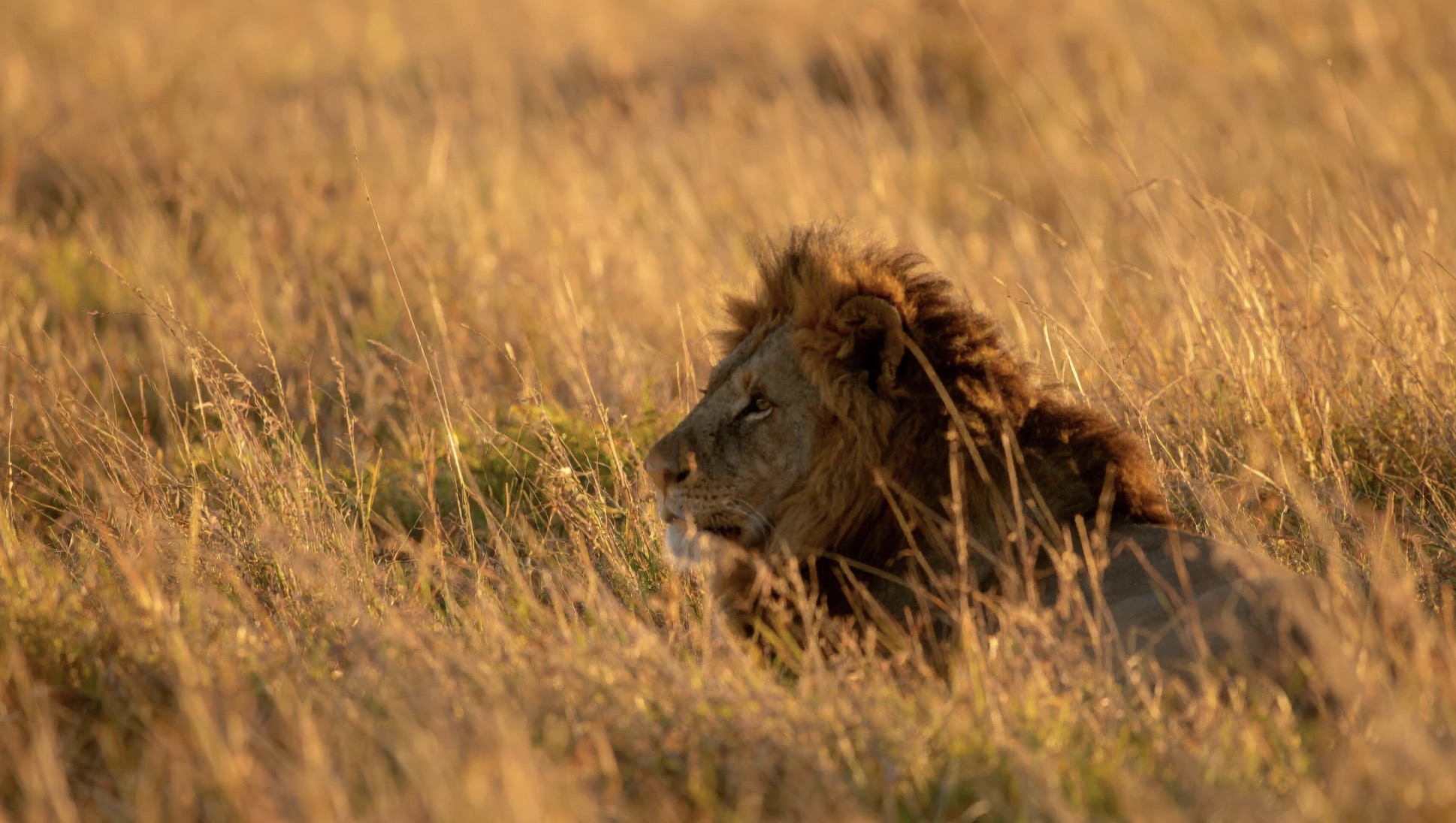

The Maasai Mara has been written about so many times that arriving there for the first time carries an almost impossible weight of expectation. A million wildebeest. Lions at sunrise. Leopards in fig trees. You have seen the photographs. You have watched the documentaries. And now you are actually going and you want to know what it is actually like.
Here is what nobody puts in the brochure.
The drive from Nairobi It takes five hours on a good day. The road through the Rift Valley escarpment is spectacular — one of the great drives in East Africa — but the last section on murram roads into the reserve can be rough, particularly after rain. Bring something to do in the vehicle and sit where the suspension is kindest to you, which is usually the middle row.
The moment you pass through the reserve gate the landscape changes. Open savannah in every direction. You will see your first wildlife within minutes and the five-hour drive will immediately feel worth it.
The animals are not guaranteed This is the thing brochures do not say clearly enough. The Mara is wild. The animals move. Some mornings the plains are full of lion and cheetah and zebra and you cannot turn without a new sighting. Some mornings you drive for two hours and see impala and a secretary bird and not much else.
A good guide changes this equation significantly. They work the radio network with other KWS rangers, read the landscape for tracks and behaviour, and know which areas are productive at which times of day. The guide is not an optional extra. The guide is the difference between a good safari and a great one.
The Great Migration July to October is when the wildebeest come north from the Serengeti. The river crossings at the Mara River are the moment everyone comes for — a thousand animals committing to cold water and crocodiles in a single surge of collective panic and momentum.
A crossing is not scheduled. It can happen in the first hour of your first game drive or it can not happen at all on a three-day trip. The waiting is part of the experience. Park the vehicle on the bank, engine off, and watch the herd build on the opposite side. That tension — the animals milling, testing the water, retreating, testing again — is extraordinary even before a single wildebeest jumps.
What to wear Khaki and olive tones are practical in the dust and blend better in the field. Avoid bright colours and white. Mornings in the vehicle are cold — genuinely cold at 5:30 AM on the open plains — so layers matter even in July. By mid-morning you will be peeling them off.
The nights Sleeping in a tented camp with the sounds of the Mara outside is something you will remember longer than any single sighting. Hippos grunt from the river. Something moves through the grass near the perimeter. The stars at altitude with no light pollution are not something a screen can prepare you for.
Go to bed early. The 5:45 AM wake-up call is not optional and you will not regret being on the plains before sunrise.
Final thought The Mara rewards patience and punishes expectation. Come with curiosity rather than a checklist, trust your guide, and give yourself enough days to let the rhythm of it settle. Three days is the minimum. Four is better. Five and you will start to understand why some people come back every year.